
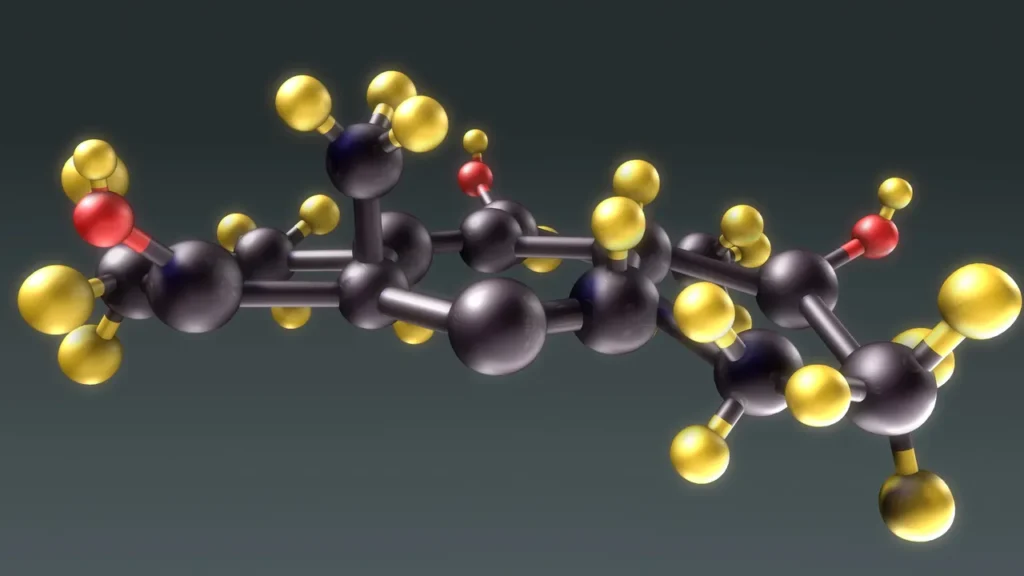
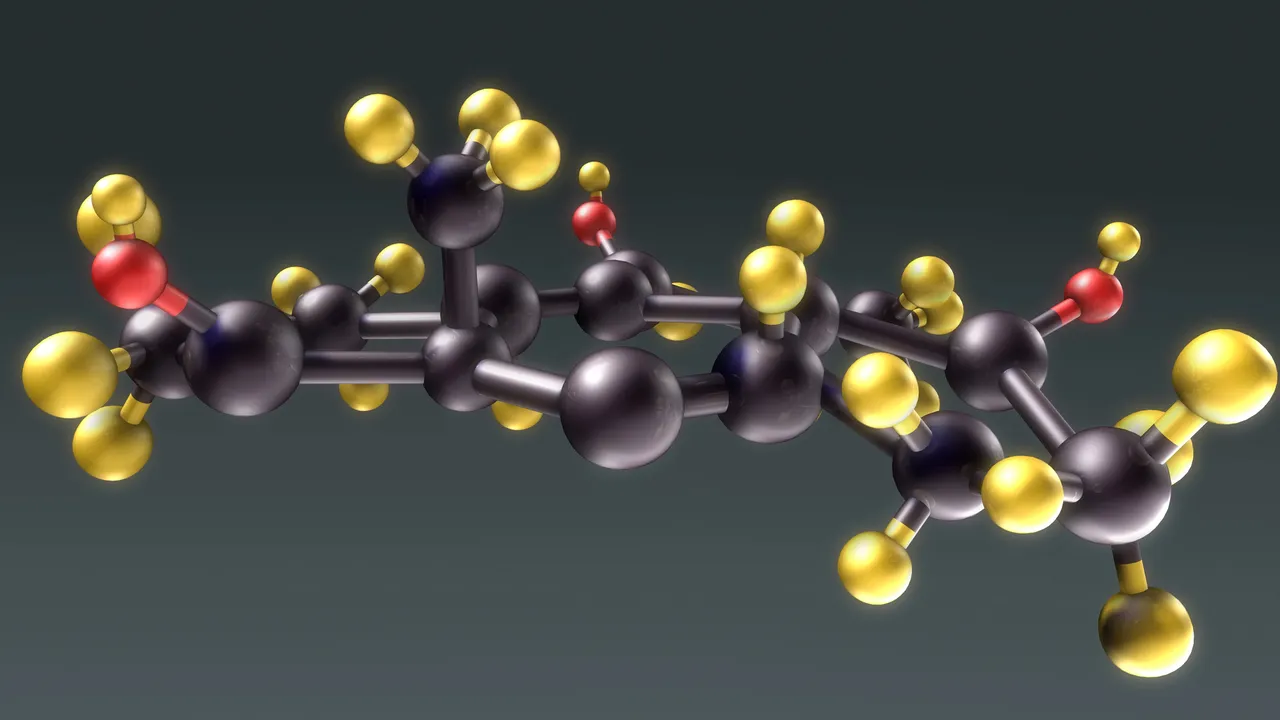

Modern cosmetology is experiencing a true renaissance thanks to breakthroughs in biochemistry. One of the most discussed components in recent years has been peptides — small chains of amino acids capable of literally “reprogramming” the skin, restoring firmness, density, and a healthy glow. Today, peptide creams, serums, and masks are increasingly talked about, and on specialized resources such as https://refresh-dubai.com/peptides/ you can learn more about the varieties of these active substances and their use in rejuvenating skincare.
What Are Peptides and Why They Are Important for the Skin
Peptides are short chains of amino acids that serve as building blocks for proteins, including collagen, elastin, and keratin. These proteins are responsible for the skin’s strength, firmness, and elasticity. With age, their production decreases, leading to wrinkles, loss of tone, and dryness.
When peptides are applied to the skin as part of cosmetic products, they send signals to cells to activate repair processes and stimulate the synthesis of the skin’s own proteins. Essentially, peptides “trick” the skin into behaving as it did in youth.
Main Types of Peptides in Cosmetology
There are several types of peptides on the modern market, each performing a specific function.
- Signal peptides — stimulate the production of collagen and elastin, helping to reduce wrinkle depth and increase skin density.
- Muscle-relaxing peptides — relax facial muscles, reducing the appearance of expression lines, especially on the forehead and around the eyes.
- Transport peptides — deliver trace elements such as copper or zinc into the deeper layers of the skin, promoting tissue regeneration.
- Antimicrobial peptides — regulate the skin’s microflora and help fight inflammation, making them useful for acne-prone skin.
- Enzyme-inhibiting peptides — protect collagen and elastin from breakdown, slowing down the aging process.
Each type of peptide can be found both individually and in combination — it is these complexes that are most often used in anti-aging formulas.
How Peptides Work in Cosmetic Products
After application, peptide molecules penetrate the upper layers of the skin and activate cellular receptors. As a result, recovery mechanisms are triggered: collagen synthesis increases, hyaluronic acid levels rise, and cell renewal accelerates.
The key advantage of peptides is that they work gently, without causing irritation or dependency, unlike ingredients such as retinol. This is why peptide-based products are often recommended for people with sensitive skin.
Benefits of Peptide-Based Cosmetics
Peptides have become a real breakthrough in skincare thanks to a number of clear advantages:
- increase skin firmness and density;
- smooth wrinkles;
- even out skin tone and improve texture;
- strengthen the protective barrier;
- accelerate healing of minor damage;
- suitable even for sensitive skin.
These properties make peptides universal components that can be included both in anti-aging routines and in recovery programs after aggressive cosmetic procedures.
How to Choose Cosmetics with Peptides
Since peptides are active ingredients, it is important to choose products with a proven formulation and the right concentration. Key points to consider include:
- Ingredients list. Peptides should appear closer to the beginning of the list.
- Packaging type. It is better to choose airtight bottles or tubes to prevent ingredient degradation when exposed to air.
- Combination with other ingredients. Peptides are most effective when combined with hyaluronic acid, niacinamide, and antioxidants.
- Purpose. Signal and muscle-relaxing peptides are suitable for wrinkle reduction, while transport and antimicrobial peptides are better for post-procedure recovery.
After choosing the right product, it is important to use it regularly. Peptides do not provide instant results — their effect accumulates over time, with the first visible improvements usually appearing after 3–4 weeks.
Common Mistakes When Using Peptide Products
Although peptides are considered safe, improper use can reduce the effectiveness of skincare.
Common mistakes to avoid include:
- using peptide products simultaneously with acids or retinoids that can break peptide bonds;
- irregular application — active ingredients require consistency;
- storing products in sunlight or warm conditions;
- applying too much product, preventing the skin from properly absorbing the actives.
It is important to remember that peptide cosmetics are not a one-time solution, but a long-term strategy for maintaining youthful skin.
Peptides in cosmetology are not a temporary trend, but a scientifically proven approach to skin rejuvenation. Their strength lies in their ability to gently yet effectively stimulate processes that weaken with age. Properly selected peptide formulas help preserve natural youth and beauty without aggressive interventions.