
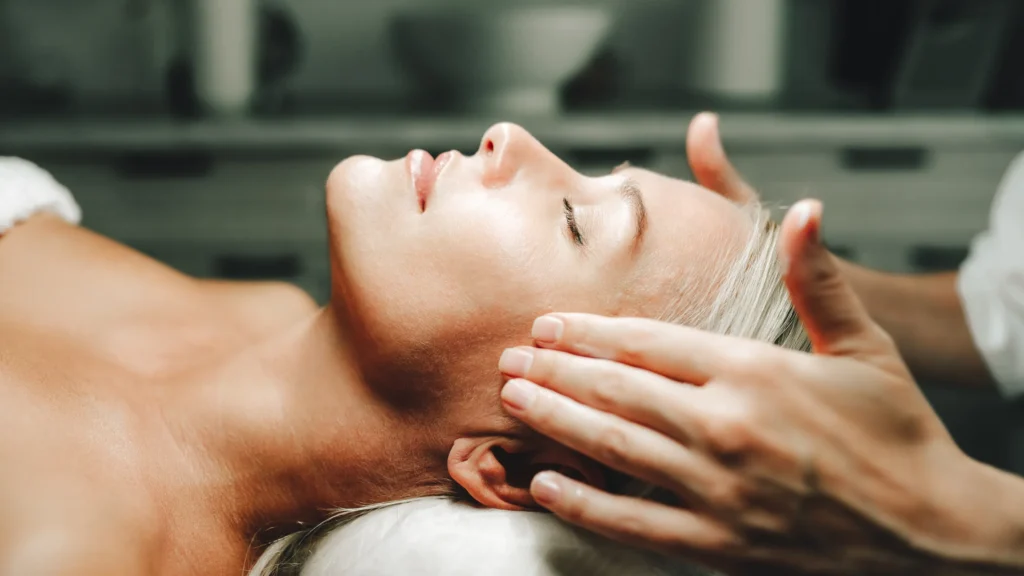
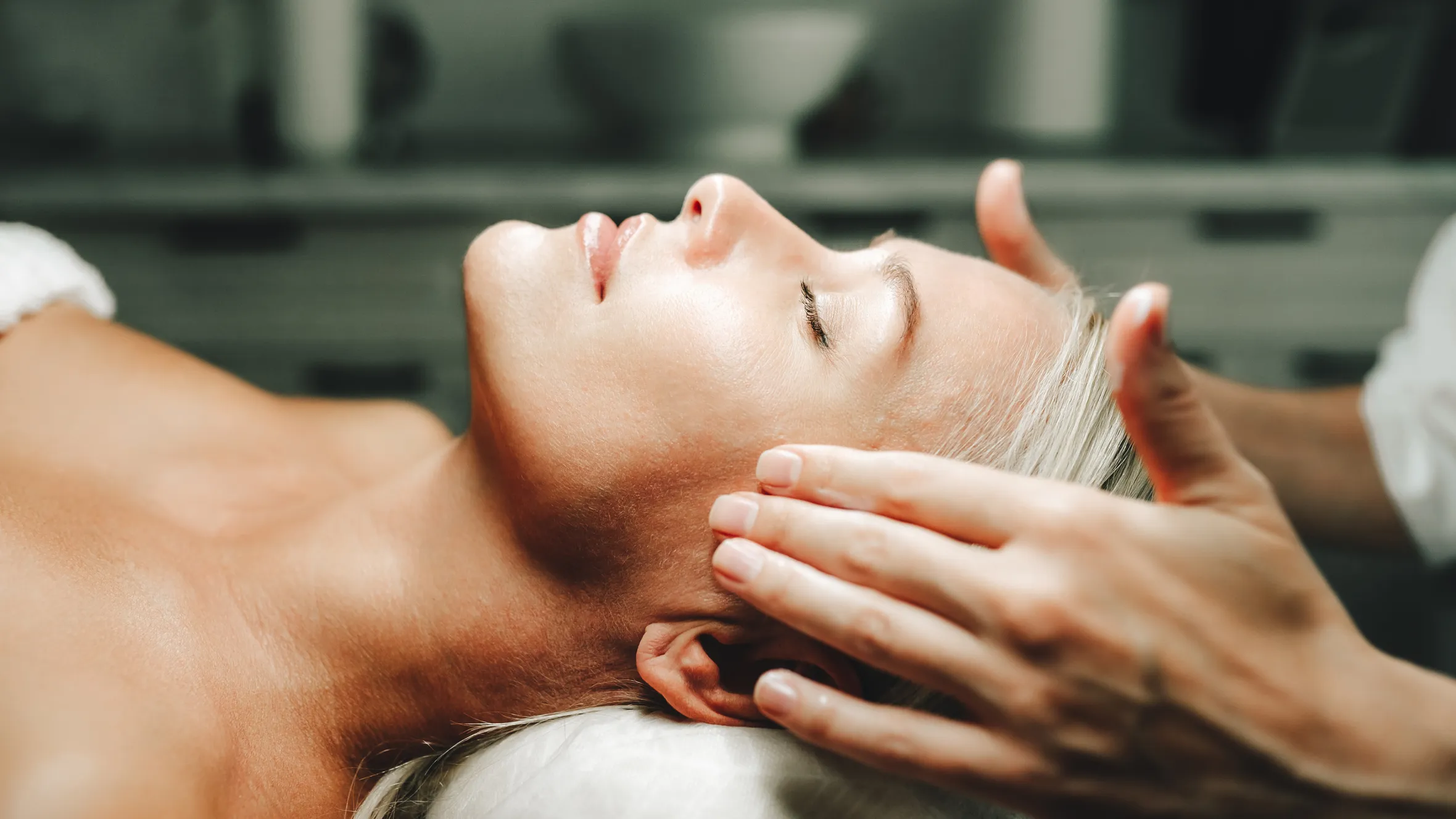

Modern cosmetology makes it possible to address many aesthetic concerns without surgery: reducing skin dryness, evening out skin tone, maintaining firmness, working with expression lines, and improving post-acne marks. When choosing a place for treatment, many people pay attention to an aesthetic and cosmetology clinic with modern equipment, qualified specialists, and individually selected procedures. It is important to understand that there is no universal method: the program depends on age, skin condition, the severity of the problem, and the expected result.
Injectable Procedures for Improving Skin Quality
Injectable cosmetology remains one of the most in-demand areas because it allows the necessary components to be delivered directly into the required layers of the skin. Before the procedure, the specialist assesses the condition of the tissues, checks for contraindications, and determines the appropriate method.
The most common procedures include:
- biorevitalization — the injection of hyaluronic acid-based products to help maintain hydration;
- mesotherapy — the use of formulations containing amino acids, vitamins, and other components;
- botulinum therapy — correction of expression lines by temporarily reducing the activity of certain muscles;
- contouring — correction of volume and individual facial features with fillers.
For example, the result of botulinum therapy usually lasts around 3–6 months, while the effect of some fillers may remain visible for 6 to 18 months. The exact duration varies depending on the product, the treatment area, and individual characteristics of the body.
Device-Based Cosmetology
Device-based methods are chosen by people who want to improve the condition of their skin without injections or use them as part of a combined skincare program. Such procedures may be used to work with skin texture, pigmentation, enlarged pores, and reduced firmness.
Cosmetology uses:
- laser technologies;
- RF lifting;
- ultrasound methods;
- microcurrent therapy;
- device-based procedures for cleansing and moisturizing the skin.
The number of sessions depends on the technology. Some procedures are performed once with a subsequent assessment of the result, while others require a course of 3–6 sessions. The interval recommended by the specialist must be observed between visits so that the skin has enough time to recover.
Peels and Professional Skin Cleansing
Uneven texture, a dull complexion, blackheads, and increased oiliness are among the most common reasons for visiting a cosmetologist. In such cases, the specialist may recommend professional cleansing or a peel.
Depending on the condition of the skin, the following methods may be used:
- mechanical, ultrasonic, or combined cleansing;
- superficial chemical peels;
- more intensive professional peels when indicated;
- skincare procedures after cleansing.
After a peel, the skin may temporarily become more sensitive, so sun protection is especially important. Products with SPF 30–50 often become a mandatory part of home care, particularly after procedures that increase the skin’s sensitivity to ultraviolet radiation.
Procedures for Hydrating and Restoring the Skin
Dryness and a feeling of tightness may occur not only with age. Skin condition is affected by sun exposure, air-conditioned environments, insufficient home care, and aggressive cleansing. This is why hydrating and restorative programs are in demand throughout the year.
For these concerns, a cosmetologist may recommend masks, professional serums, device-based hydration, or injectable methods. Regular home care also plays an important role: gentle cleansing, a moisturizing cream, and UV protection help preserve the achieved result for longer.
The most in-demand cosmetology methods differ in their goals and principles of action. For some people, professional skincare and peels are enough, while others may benefit from device-based or injectable procedures. Proper selection of the method, observing the intervals between sessions, and appropriate home care help achieve a more natural and predictable result without unnecessary procedures.